
The Musée de Cluny, Medieval Museum, Paris
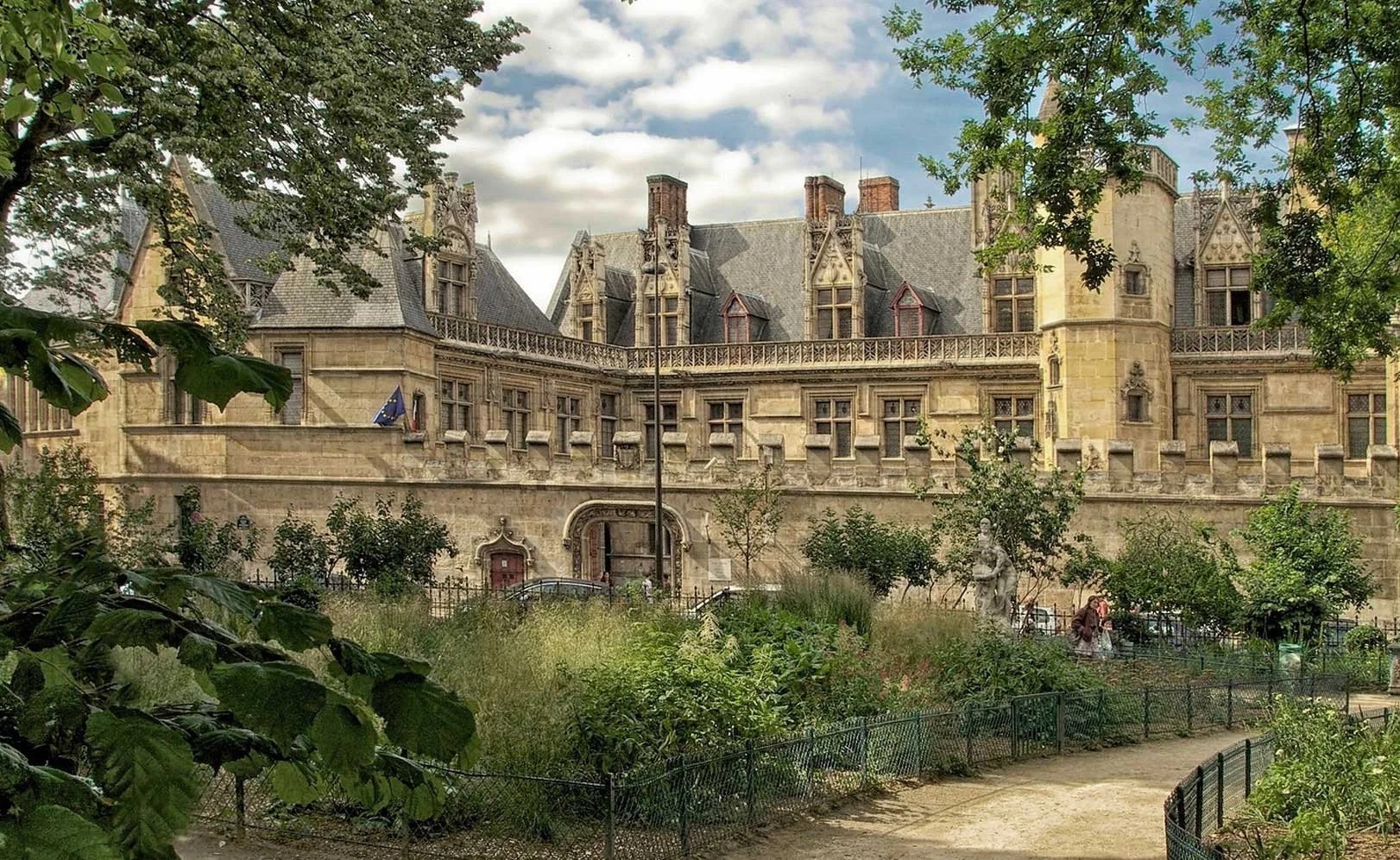
The Hôtel de Cluny, an historic 15th-century medieval mansion and Roman ruin that the museum resides in.
One of the Oldest Museums in Paris…
The Musée de Cluny, founded in 1844, is one of the oldest museums in Paris. It was created around two separate collections, one that was private and one that was public. Between the 19th and 20th centuries, the museum continued grow and evolve until it became the National Museum of the Middles Ages and a treasurehouse of medieval artworks.
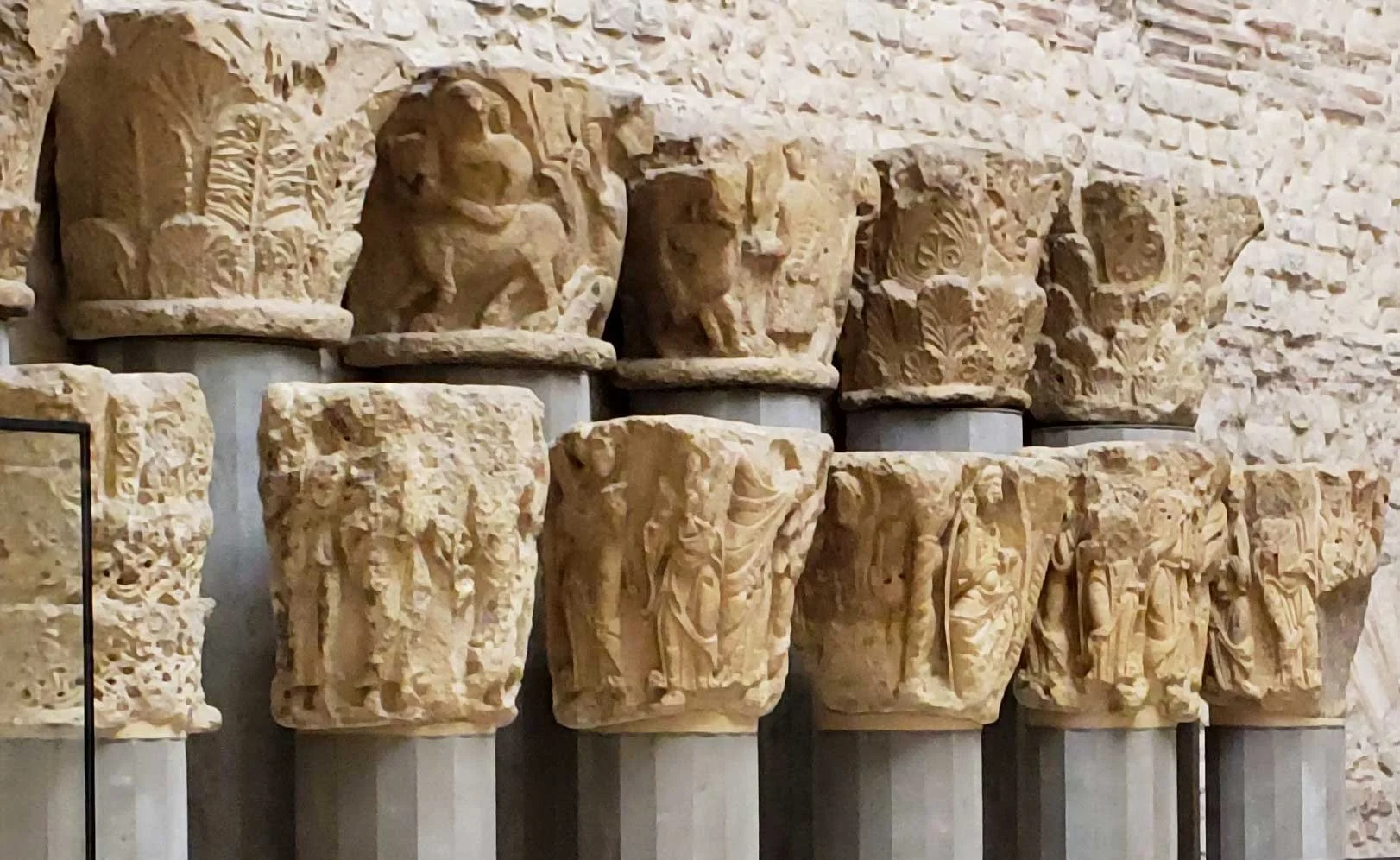
11th-century capitals from the former abbey of Saint-Germain-des-Prés.
A Must-See Museum for Medieval Lovers…
If you’re interested in the medieval era, you might be familiar with the Cluny Museum in Paris, also known as The Musée de Cluny, or, officially Musée de Cluny-Musée National du Moyen Âge.
Or you might not. I don’t think I met anyone that I know of who has visited this wonderful place. But then again, I don’t belong to any historical groups, I’m sure if I was in a medieval studies program, this would not be the case.
But let me just say, next time you’re in Paris, visit the Musée de Cluny. You’ve probably already been to the Louvre, and to the Musée d'Orsay, both wonderful, but this is another gem not to be missed.
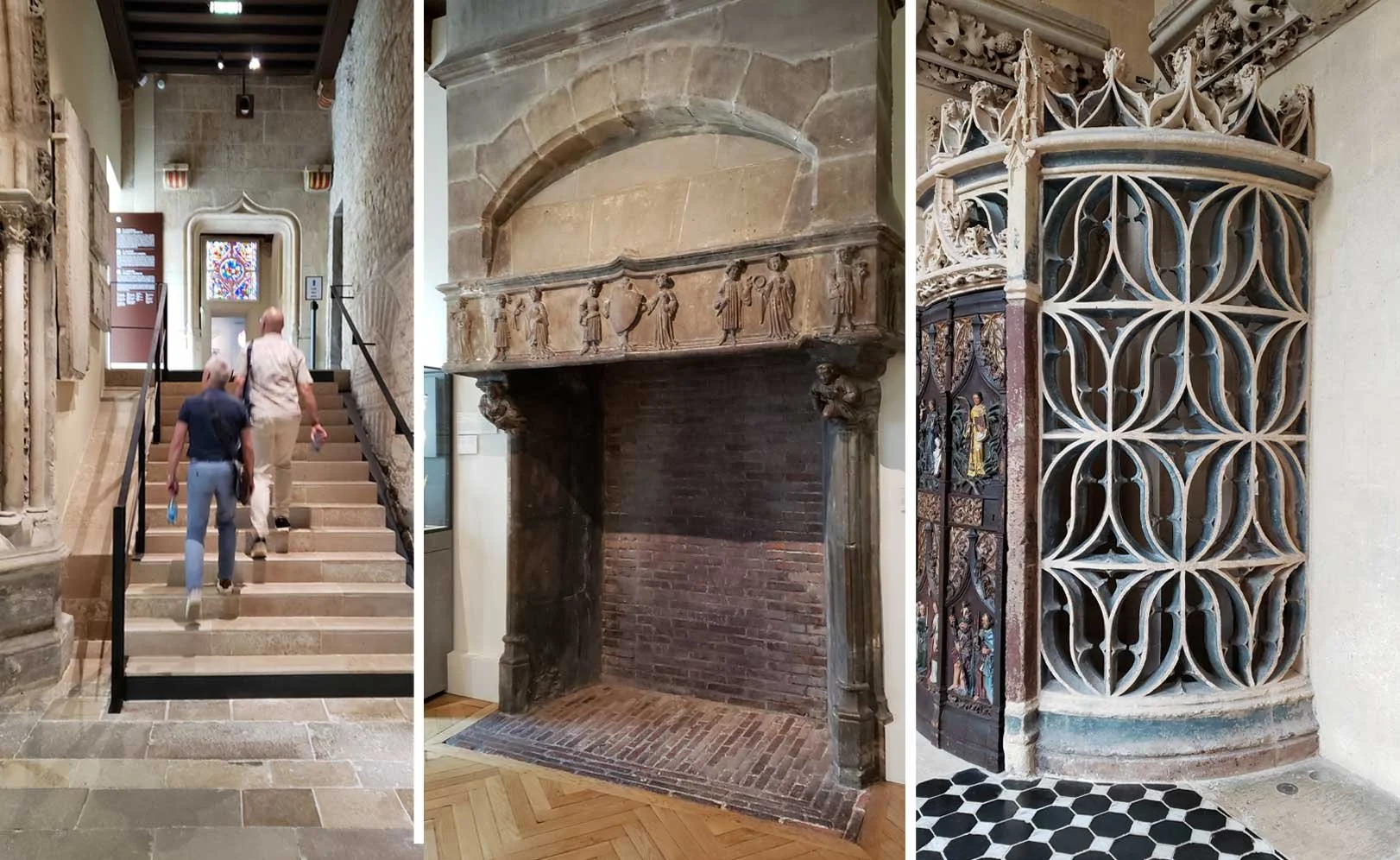
Stone is everywhere…
Natural Materials of the Middle Ages…
The building materials of the museum and the contents are often made of stone, whether in the form of floor tiles, or fanciful gothic screens. Above are three photos illustrating this. The lovely gothic architectural ornament that shapes the door frames, the fireplaces with figures cut into the mantel and a staircase vestibule.
That flamboyant gothic pattern on the right is amazing and if it was a painted pattern, reminiscent of the 1970s.
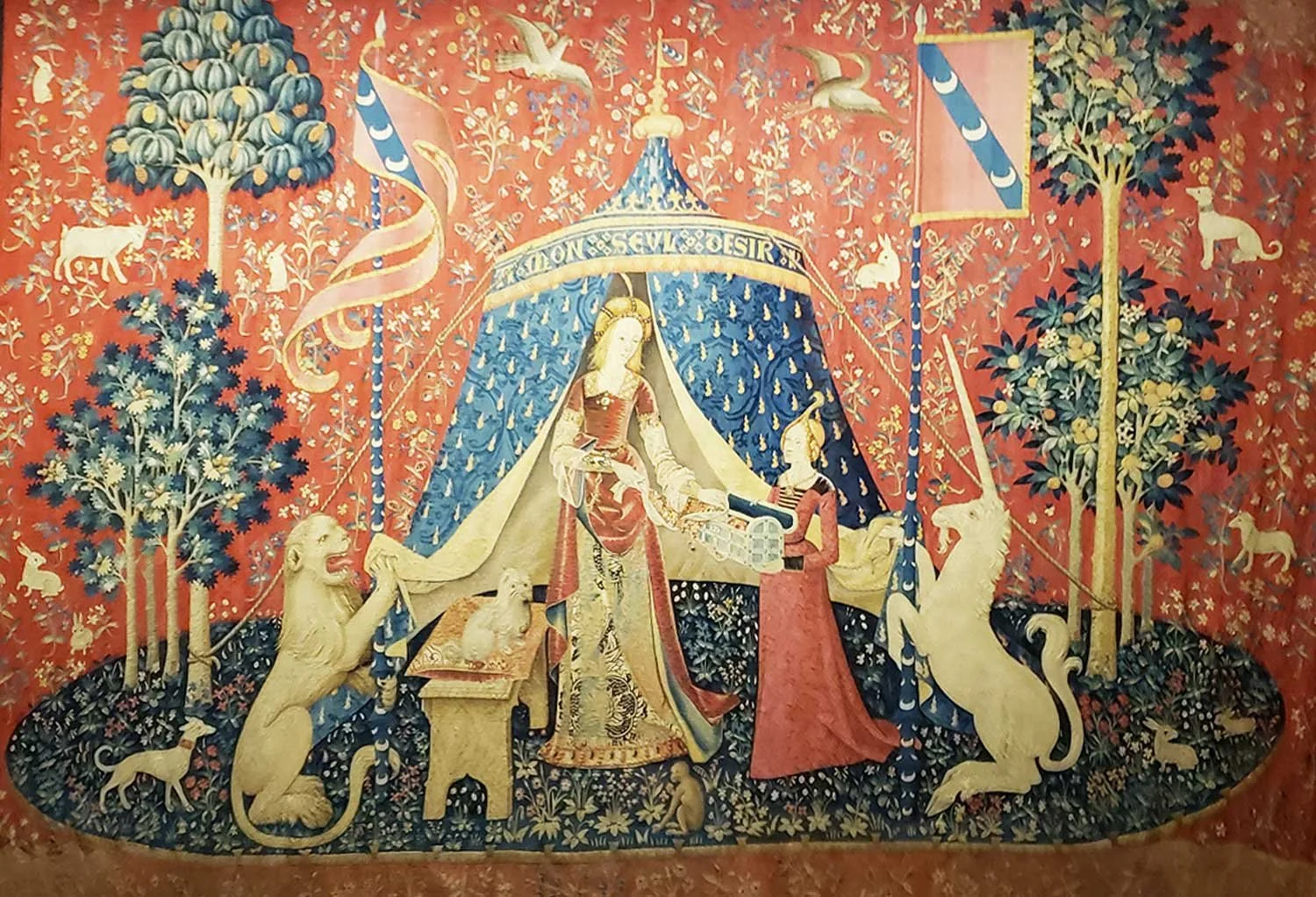
One of six in ‘The Lady and the Unicorn’ series. This one is title À Mon Seul Désir (To My Sole Desire).
The Lady and the Unicorn Tapestry Series…
This is by far the most famous artwork in the museum. It’s actually not a single piece, but a collection of 6 tapestries made around 1500. Each tapestry is dedicated to a theme within a theme. They all have the lady; they all have the unicorn. The image above is part of the 6th tapestry, the other 5 tapestries are designed around the idea of Touch, Taste, Smell, Hearing, and Sight.
In the gallery, the tapestries are hung in order, 1-6. The gallery is kept dim so that the ancient silk and wool threads retain their color and are not damaged by light. The gallery is circular and the experience of being in there is a little bit magical - people, even when they are talking, tend to speak in hushed tones.
The tapestries are a bit of a mystery too, and that adds to the mystical element. The first five tapestries are believed to be allegories of the five senses. But the last tapestry, the one shown above - À Mon Seul Désir - is still debated.
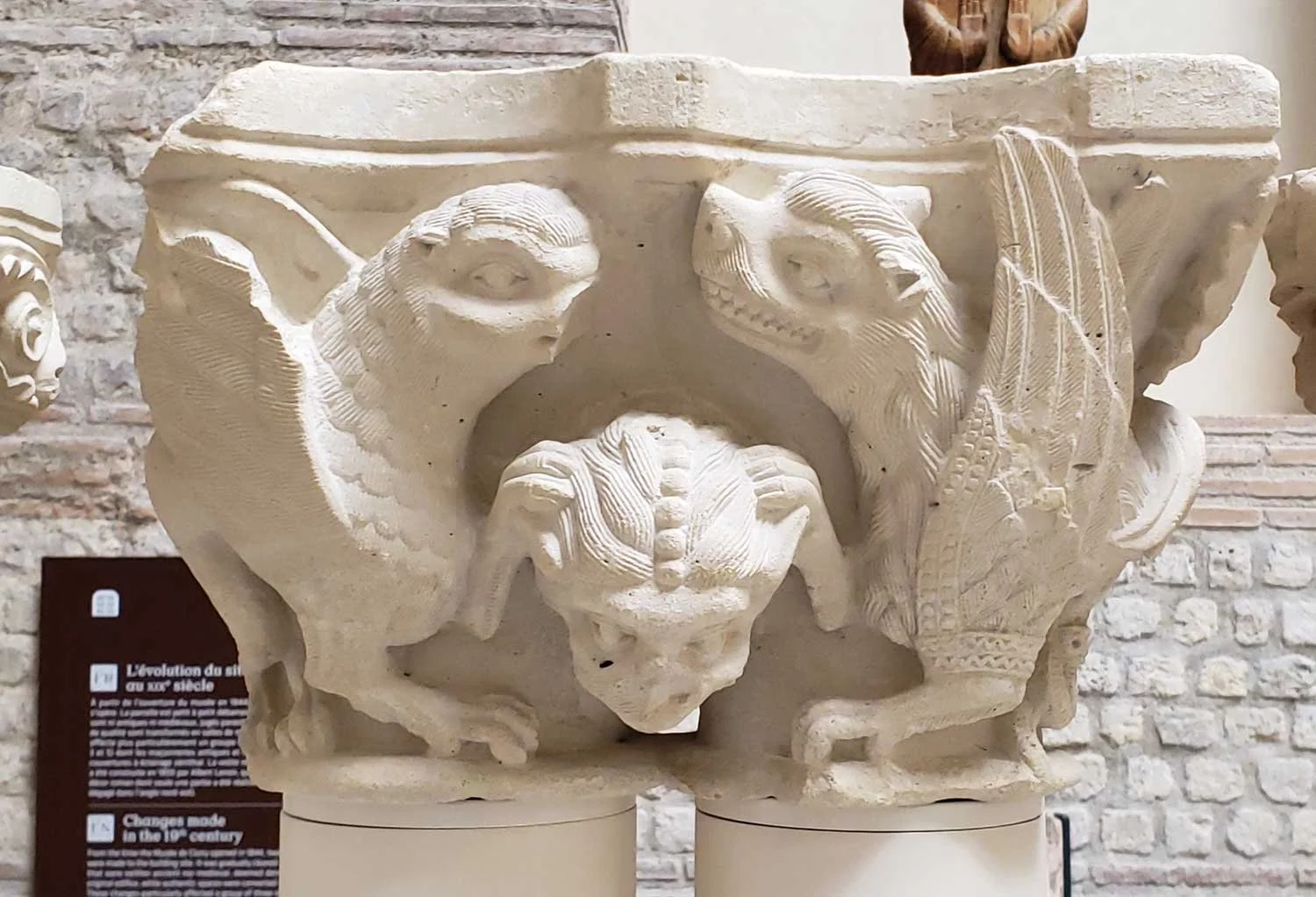
Fantastic beasts decorate cloister capitals…
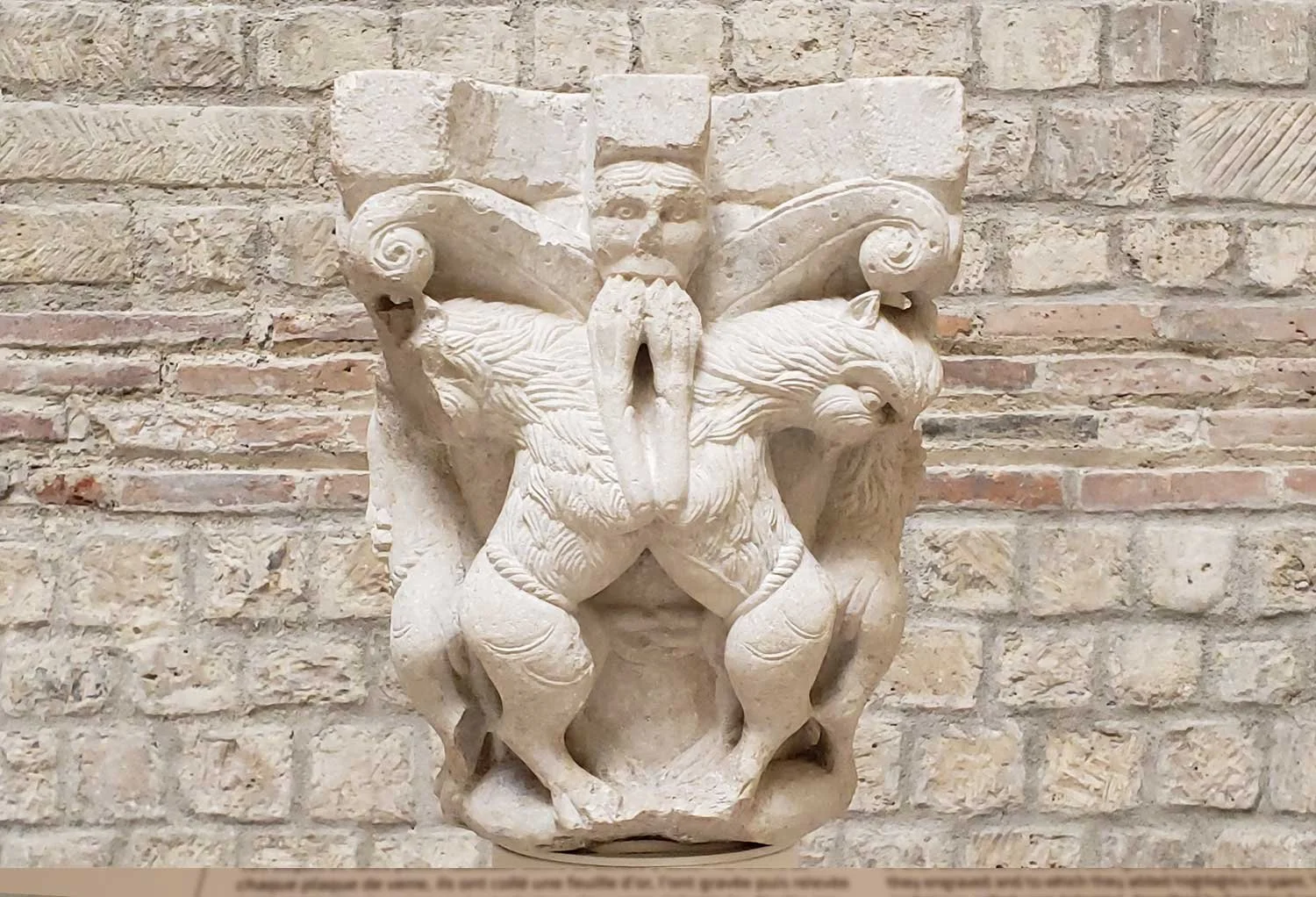
Another decorative, stone capital
From reliquaries to stained glass to casket plaques, the Musée de Cluny is a joy for medievalists both professional and amateur. And there is much in the inspiration for those interested in the medieval arts and style.
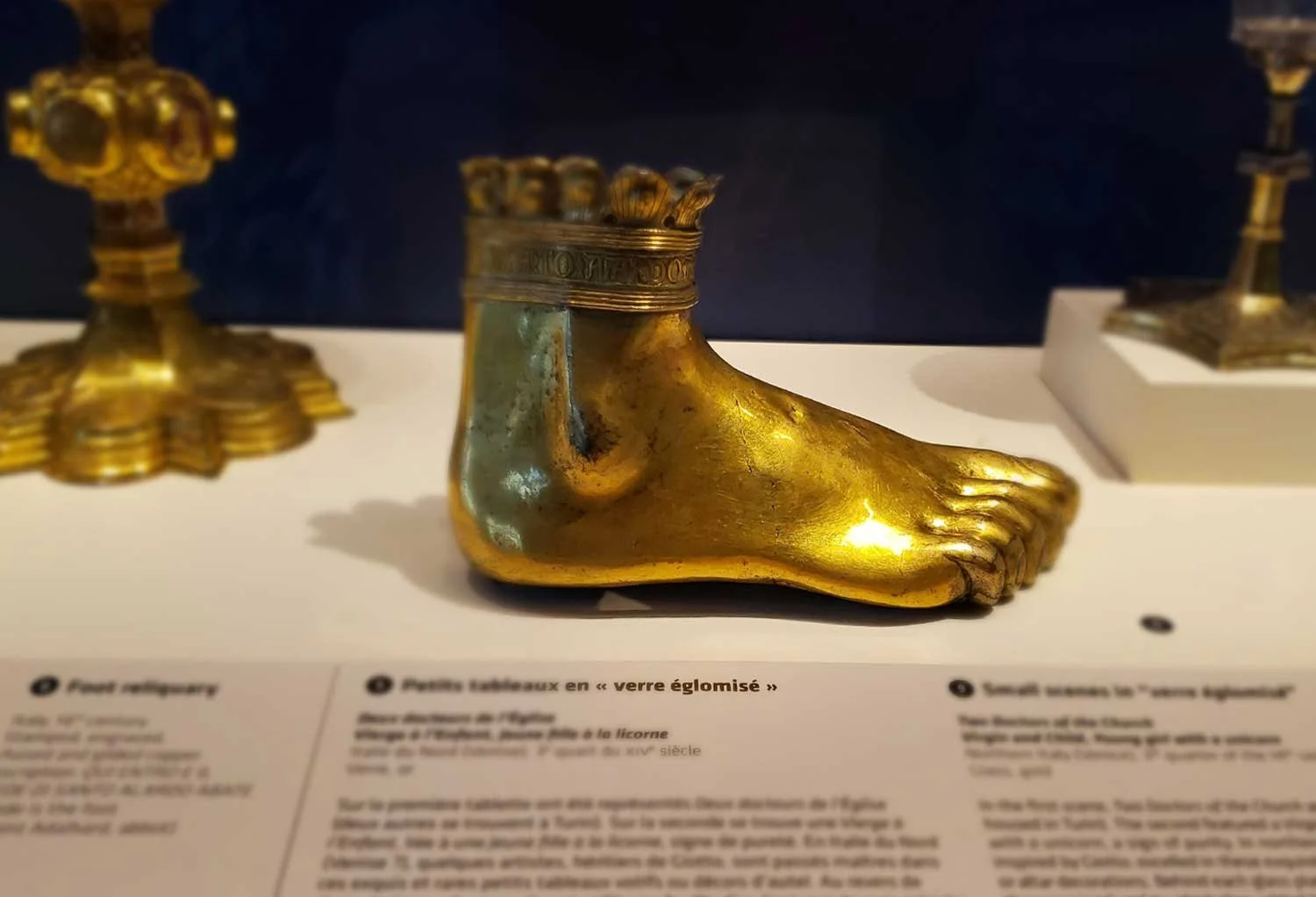
Foot Reliquary
Ancient Reliquaries…
Sometimes looks can be deceiving. Although there are reliquaries for saint bones and body parts all across Europe, there are many that have turned out not to contain the actual thing they were supposed to. For example, instead of the bones of a certain saint, the reliquary ended up containing bird bones. But they didn’t know that back in the Middle Ages! Or, at least, the pilgrims travelling to see them didn’t.
The foot reliquary above is supposed to contain the foot of Saint Adalhard, an abbot. It was made in the 14th-century.
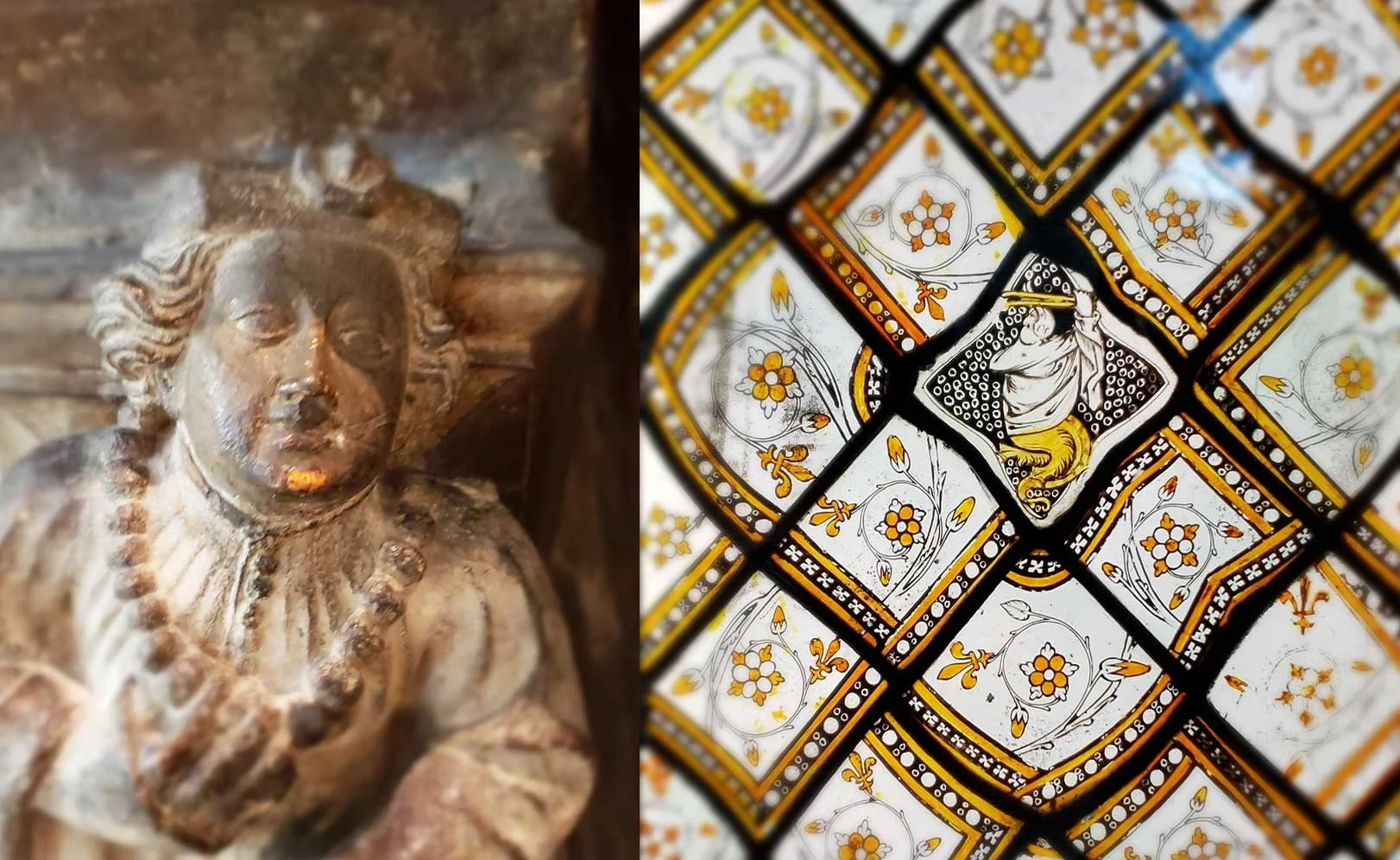
Religious imagery abounds in the Middle Ages.
Of course, there is beautiful stained glass here….
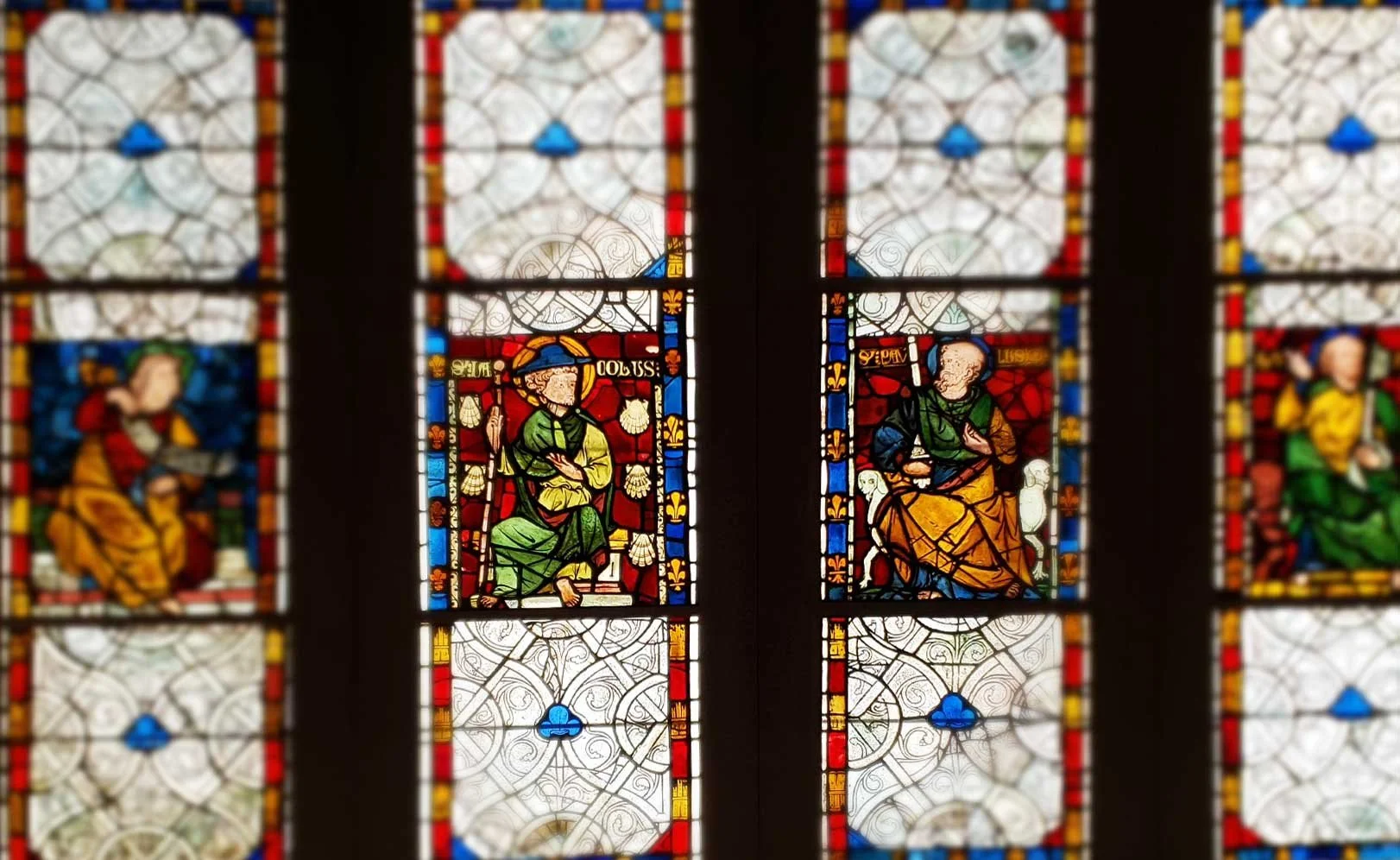
The rich colors of the medieval era.
Almost all of the art in the Medieval era deals with religious themes or people. But another aspect that is just as beautiful, is the pattern found. In the windows above, swirls of black and white decorate while still leaving the eye to focus on the main-colored areas.
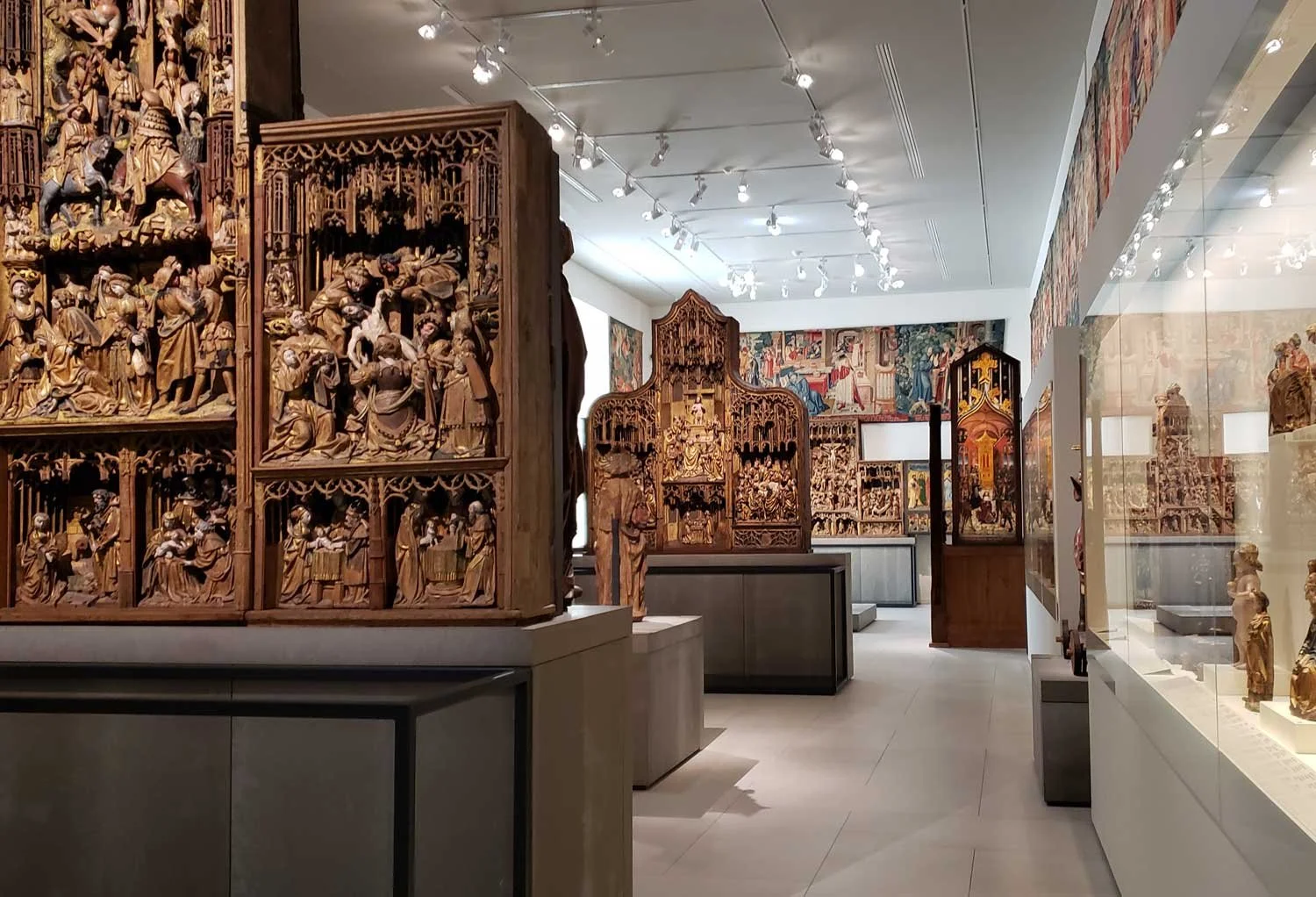
Elaborate wood carvings…
Not all is made of stone. Here intricate wood carvings in the form of altar pieces with more tapestry imagery on the back wall.
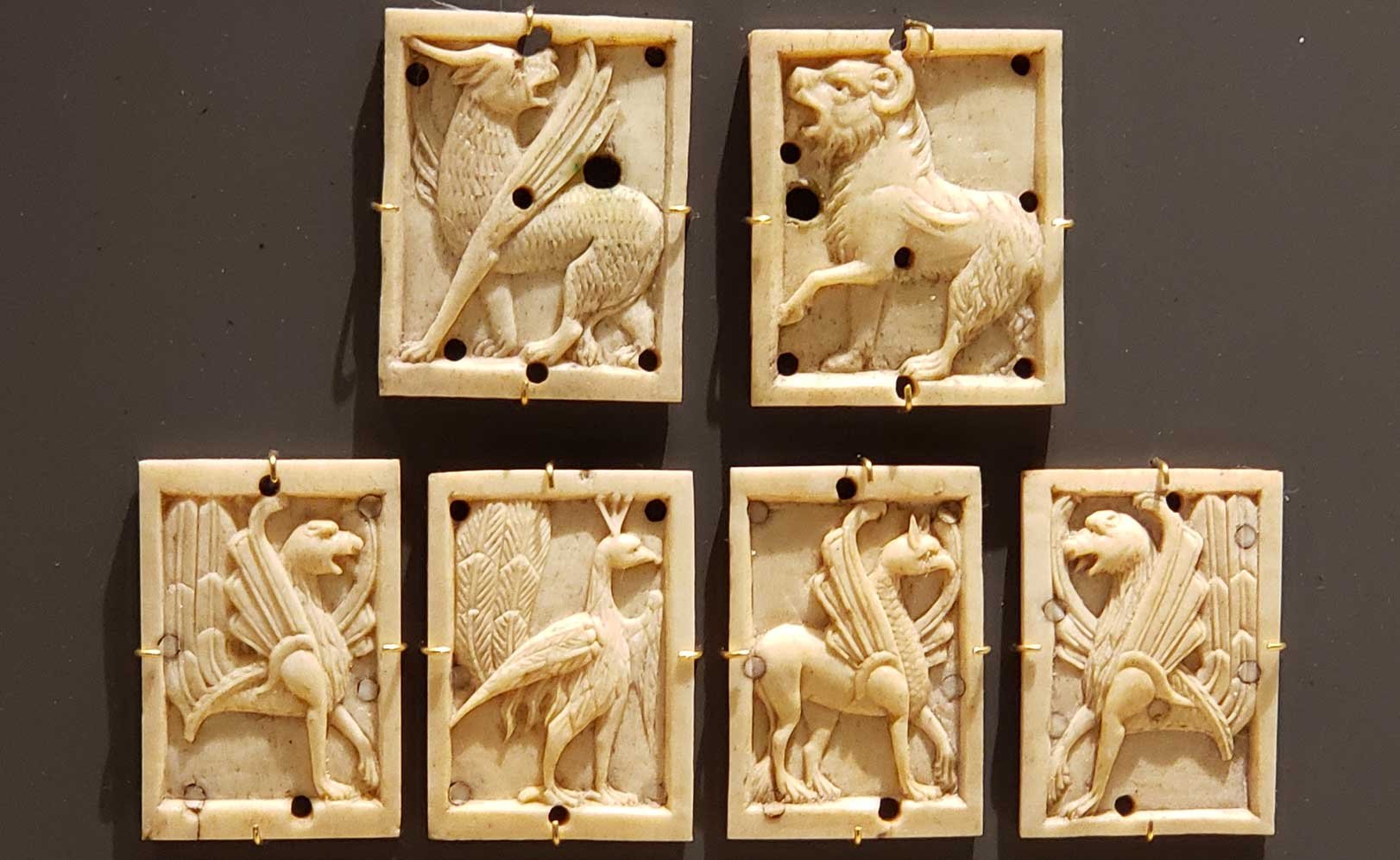
Casket plaques with medieval beasts…11-Century, Byzantine Empire.
Final Words…
The photos I’ve included are just a small sampling of everything this amazing museum has to offer. If you’re in Paris, the Musée de Cluny is in the Latin Quart, near the Sorbonne on the Left Bank and very easy to get to.
Here’s their website for more info:
Cluny Museum
Go, and be inspired!