
12 Easy to Grow, Common Medieval Herbs
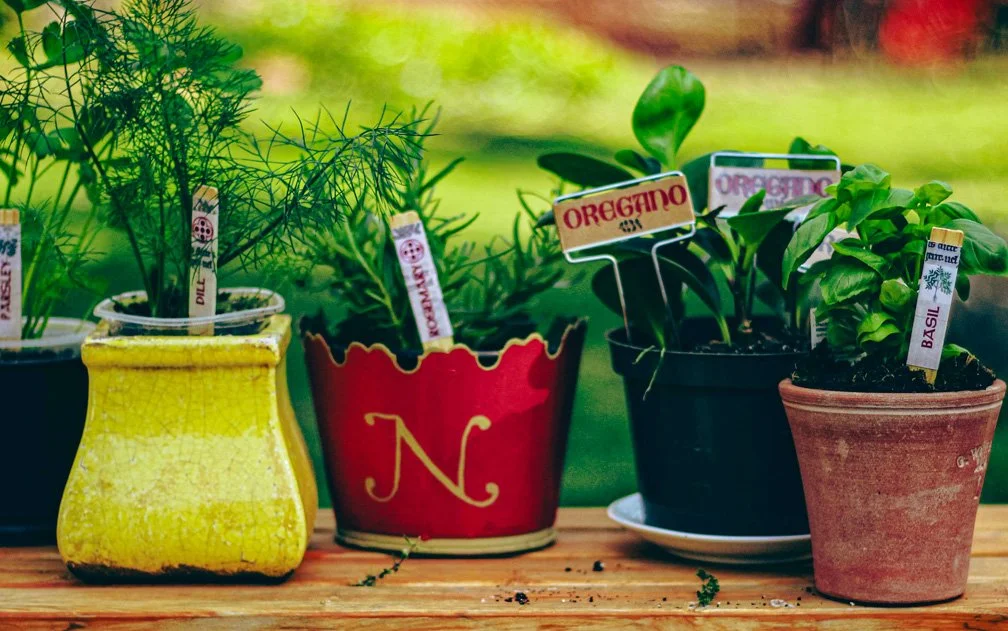
12 Medieval Herbs Easy to Grow Today
These are herbs that were common in the Medieval era and are still common and readily available today. These plants are not exotic and not unfamiliar but nevertheless they still have the historic attachment to the gardens and the peoples of the middle ages, even if you already have them in your garden. And who knows? You might find a new use for them.
1. Sage
Medieval role: Longevity, wisdom, healing
Characteristics: Woody perennial, gray-green leaves, aromatic
Growing notes: Thrives in sun and well-drained soil; drought tolerant
Why monks loved it: Medicinal, culinary, and symbolic all in one plant
Sage is a fragrant herb with soft, silvery, gray-green leaves and purple flowers. It’s been used since antiquity in the kitchen and works especially well in meat dishes. Medicinally, sage was used for treating digestive issues, sore throats, and alleviating fevers. It was also used in spiritual cleansing rituals like smudging, deriving its name from the Latin for "to save" or "to heal.” Smudging with sage is something that is still commonly practicied within some communities today.
2. Rosemary
Medieval role: Memory, protection, purification
Characteristics: Evergreen shrub, needle-like leaves
Growing notes: Needs sun and drainage; excellent in pots
Historical: Rosemary has been used to aid memory since ancient times. Because it’s fragrant, it was used as a ‘strewing’ herb - a plant that used on medieval straw floors to keep them fresh(er) smelling.
Bonus: Smells incredible year-round
Rosemary’s evergreen needles and sharp fragrance made it one of the most symbolic herbs of the Middle Ages and Renaissance. Apothecaries used it in tonics for memory, melancholy, and circulation, while its oil was distilled for perfumes and healing balms. It was often burned in sickrooms to cleanse the air, and in plague times it was carried as a preventative charm.
In the language of ritual and magic, rosemary stood for remembrance, fidelity, and protection. Sprigs were woven into wedding garlands, placed in graves, and tucked into household charms. Witches and cunning folk might use it in purification rites, while church processions sometimes blessed its boughs. To medieval and Renaissance eyes, rosemary’s evergreen nature made it a bridge between earthly life and eternal memory—a sacred herb of both daily medicine and spiritual symbolism.
3. Thyme
Medieval role: Courage, antiseptic, lung health, cooking herb
Characteristics: Low-growing, tiny leaves, hardy
Growing notes: Loves poor soil and sun; great ground cover
Perfect for: Small gardens and paths
Historically: Used strewn on floors for its scent, sybolized hidden strength.
Creeping thyme, a close cousin of garden thyme, spread low over the ground with tiny fragrant leaves and purple flowers. Physicians used it for coughs, fevers, and digestive complaints, and it was often strewn on floors for its pleasant scent. Folklore tied it to fairy realms, with creeping thyme patches said to be fairy gathering places. It symbolized protection, humility, and hidden strength.
Thyme is an especially easy to grow herb and pops back up year after year.
4. Parsley
Medieval role: Digestion, tonic, symbolism of life/death
Characteristics: Biennial, leafy and lush
Growing notes: Easy from seed; prefers regular watering
Still useful: Culinary + medicinal
Historically: Used to freshen bretah, flavor in the kitchen, symbolized renewal
Parsley was a staple of medieval and Renaissance kitchens, used in soups, sauces, and as garnish. Physicians prescribed it for digestion, urinary complaints, and to freshen the breath. Folklore sometimes linked parsley with both luck and danger—planting it was said to bring misfortune unless done with care, yet carrying it could protect against evil. Its bright green leaves symbolized vitality, renewal, and festivity.
5. Chives
Medieval role: Appetite stimulant, warding illness
Characteristics: Grass-like leaves, purple pom-pom flowers
Growing notes: Extremely easy; returns every year
Medieval charm: Edible and ornamental
Chives, with their mild onion flavor, were a welcome herb in medieval cookery. They flavored cheeses, eggs, and sauces, and were sometimes grown in monastery gardens alongside leeks and garlic. Medicinally, they were thought to stimulate appetite and aid digestion. In folklore, chives shared the protective associations of the onion family, warding off illness and evil. Their cheerful purple flowers made them a favorite in herb gardens.
6. Mint
Medieval role: Stomach aid, breath freshener
Characteristics: Vigorous, fragrant, spreading
Growing notes: Best grown in containers (it will roam)
Historically: Used in drinks, strewing herbs, medicine
Mint was among the most universal herbs, prized for its fragrance and versatility. It was used for digestion, coughs, and to sweeten the breath, and was scattered as a strewing herb to freshen homes. Folklore tied mint to hospitality, protection, and memory; sprigs were tucked into pockets or worn in garlands. Its cool scent made it a symbol of refreshment and renewal.
7. Fennel
Medieval role: Eyesight, digestion, protection
Characteristics: Tall, feathery leaves, yellow flowers
Growing notes: Likes sun and space
Bonus: Seeds, leaves, and stems all useful
Historically: Hung over doorways for protection, helped with digestion, protective symbolism.
Fennel was praised for aiding digestion, sharpening sight, and warding off evil. Seeds flavored breads and broths, while the stalks were eaten as a vegetable. Folklore credited fennel with protective powers, hung over doorways on Midsummer’s Eve. Its tall stems and feathery leaves made it a plant of clarity, vision, and protection.
8. Chamomile
Medieval role: Calm, fever relief, purification
Characteristics: Dainty daisy-like flowers, apple scent
Growing notes: Easy self-seeder; thrives in poor soil
Perfect for: Teas and gentle remedies
Chamomile was among the most beloved herbs of medieval and Renaissance medicine. Physicians praised its gentle, soothing powers for digestion, fever, and inflammation, while poultices of the flowers were laid on bruises and swellings. Its scent was thought to lift the spirits and calm anxiety. Folklore held that camomile thrived when trodden upon, making it a symbol of endurance. In gardens, it was planted along paths so that its fragrance was released underfoot.
9. Yarrow
Medieval role: Wound healing, soldier’s herb
Characteristics: Fern-like leaves, flat white flower heads
Growing notes: Tough perennial; drought resistant
Looks lovely: In cottage-style borders
Yarrow, known since antiquity, was one of the most important healing herbs of medieval and Renaissance Europe. It was famed for staunching wounds. Legend says Achilles used it to treat his soldiers, hence its folk name “soldier’s woundwort.” Physicians prescribed it for fevers, colds, and digestive troubles. Folklore credited it with powers of protection, love, and divination; yarrow was placed under pillows to dream of one’s future spouse. With its feathery leaves and white flowers, it was a plant of courage, healing, and prophecy.
10. Calendula (Pot Marigold)
Medieval role: Skin healing, devotion, cheer
Characteristics: Bright orange/yellow blooms
Growing notes: Easy annual; blooms continuously
Historically: Used in salves, broths, and symbolism
Pot marigold was one of the most celebrated healing herbs. Physicians prescribed its golden petals for wounds, fevers, and heart ailments, and it was added to broths as a strengthening food. Folklore tied it to the sun, joy, and constancy; its flowers were said to follow the course of the sun each day. In charms, marigold symbolized protection and cheer, brightening both garden and household.
11. Basil
Medieval role: Used in the kitchen, in medicine and for magical purposes
Characteristics: Fragrant, leaves of grass-green color, and from the mint family, square stem.
Growing notes: An Annual, needs warmth, sun and watering in moist but well-drained soil.
Historically: Used as a staple in kitchens throughout history. Magically, it was thought to offer protection,and medicinally used in ointments for wounds.
Though more associated with southern Europe, basil found a place in Renaissance herbals as both a culinary delight and a plant of ambiguous reputation. Some physicians praised it as warming and digestive, while others claimed it bred scorpions in the brain if smelled too often! In folklore, basil symbolized love, fertility, and at times wrath. If offered as a gift, it could seal bonds of affection or enmity depending on context. By the Renaissance, it was firmly entrenched as a kitchen herb, though still tinged with magical associations.
12. Oregano
Medieval role: Kitchen herb, Medicinal plant and as a dye plant.
Characteristics: Small green leaves, woody stalk
Growing notes: Perennial, needs full sun, drought-tolerant and can grow in less than perfect soil.
Historically: Used for culinary purposes, for toothaches (it was chewed) and indigestion and was a fragrant herb strewn on floors. Was also used as a dye plant.
Why These Herbs Are Ideal for the Medieval and Historical Gardening and Cooking Enthusiast
They appear frequently in medieval herbals
Serve multiple purposes (medicine, food, symbolism)
Grow well in modest conditions
Beautiful enough for a period-inspired garden
Abundantly available almost everywhere in potted or seed form.